About Dog: A Sweet Script Font for Modern Web Design Projects
Choosing the Right Font for a Coaching Website Redesign
I recently started working on a redesign for a life coaching website that needed a more approachable, emotionally resonant visual tone. The client wanted to feel warm, trustworthy, and creatively expressive. One of the first decisions I made was to explore the About Dog font as a headline typeface. It’s a cursive, handwritten script font that feels gentle and personal—perfect for a niche wellness brand.
When I first dropped About Dog into the hero section of the homepage, the change was immediate. The soft curves and flowing letterforms gave the layout a human touch that generic sans serifs couldn’t match. I placed it over a light watercolor-style background image with a subtle gradient overlay, and the contrast made the text pop without sacrificing readability.
Visual Style and Digital Appeal of About Dog
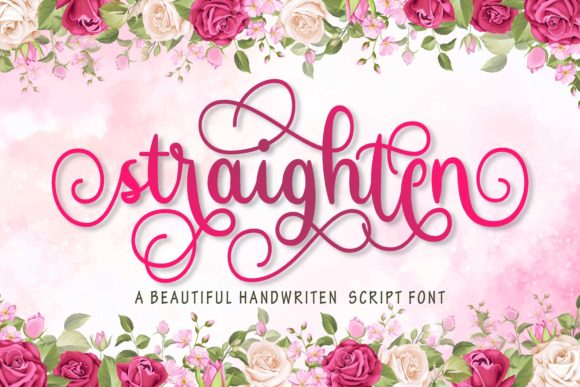
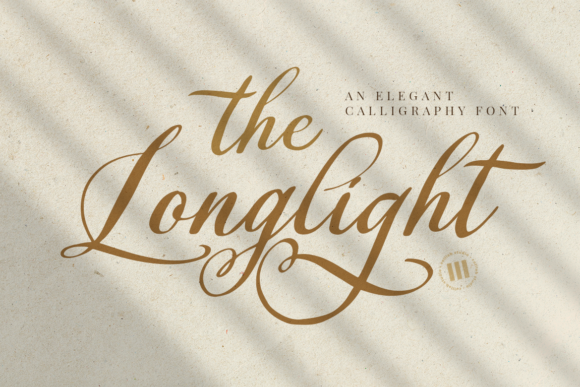
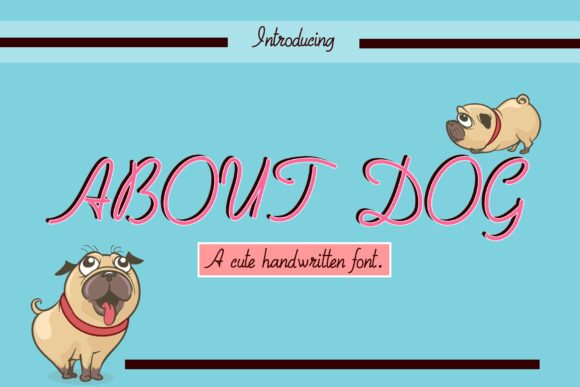
About Dog is a script font with a warm, handwritten aesthetic. It has a gentle bounce and uneven baseline that mimics natural handwriting, giving it a friendly and slightly whimsical personality. Unlike some overly stylized script fonts, it maintains enough clarity to work well in digital environments—especially when used at larger sizes.
In the context of a website, this font works best for short-form, high-impact text like headlines, callouts, and branding elements. Its character makes it ideal for creative brands, wellness businesses, and lifestyle entrepreneurs who want to project warmth and authenticity through their typography.
Where to Use About Dog in Web Design
I used About Dog across several key sections of the coaching website:
- Hero headline: The main page title in About Dog set the emotional tone for the entire site.
- Testimonial accents: Pull quotes were styled with a slightly smaller size to maintain legibility.
- Logo alternative: The client considered using it for a secondary logo variation, especially for social media graphics.
- CTA buttons: I tested it in a rounded button style for the “Book Your Free Call” CTA, and it worked well at 18px on desktop.
However, I avoided using it for long paragraphs or mobile navigation menus. Script fonts like About Dog are best reserved for visual impact rather than extended reading. They can become tiring to read on smaller screens or in dense blocks of text.
Readability Considerations for Web Layouts
One of the most important things I checked was how About Dog performed on mobile. I previewed the hero section on multiple screen sizes and found that at 24px, the font remained readable on phones without looking cramped. I made sure to increase line height slightly and avoid placing it over busy backgrounds on mobile views to preserve contrast and clarity.
For dark mode variations, I tested About Dog over charcoal backgrounds with white text and found that the font’s delicate strokes held up well. However, I would advise against using it for small buttons or subheadings in dark interfaces unless you can ensure sufficient contrast.
Font Pairing for a Balanced Digital Identity
To balance the softness of About Dog, I paired it with a clean, modern sans serif for body text and navigation. This created a strong visual hierarchy: the script font drew attention and emotion, while the sans serif grounded the layout with clarity and professionalism.
Here’s a pairing I used:
- About Dog – for headlines and accent text
- Inter – for body copy, navigation, and form labels
This combination gave the coaching website a polished, intentional look. It felt personal without sacrificing usability. If you’re designing a more editorial-style site, such as a blog or digital magazine, you might consider pairing About Dog with a serif font like Georgia or Playfair Display for a softer, more literary tone.
Practical Tips for Using Script Fonts Like About Dog
Here are some things I learned while using About Dog in a live web project:
- Use it for short text – It shines in headlines, logos, and callouts but isn’t ideal for body copy.
- Check webfont performance – Make sure the font files are optimized for fast loading. Some script fonts can be heavy.
- Consider fallbacks – If the font fails to load, ensure your design still works with a simple cursive or sans serif fallback.
- Watch for ligatures and alternates – Some script fonts include stylistic alternates or ligatures that can enhance the flow of the text.
- Verify licensing – If you're using the font on a client site or commercial product, check that it includes a proper commercial license.
When About Dog Works Best
About Dog is ideal for:
- Hero headlines on creative portfolios
- Boutique online store banners
- Course sales pages and coaching websites
- Blog headers and promotional graphics
- Logo text for lifestyle and wellness brands
It’s less ideal for:
- Mobile navigation menus
- Long-form content or blog posts
- Technical or corporate websites where clarity and formality are key
Making the Most of About Dog in Your Design Workflow
Before I launched the coaching site, I made sure to test About Dog across browsers and devices. I also exported multiple font weights and checked that the font rendered well in both light and dark themes.
If you're working with tools like Figma, Webflow, or WordPress, make sure the font is available through your design or hosting platform. Many modern builders support custom webfonts, but it’s always good to double-check compatibility before finalizing your design system.
For branding consistency, I exported About Dog as part of a downloadable brand kit for the client, so they could use it confidently in social media templates, email headers, and print-on-demand items.