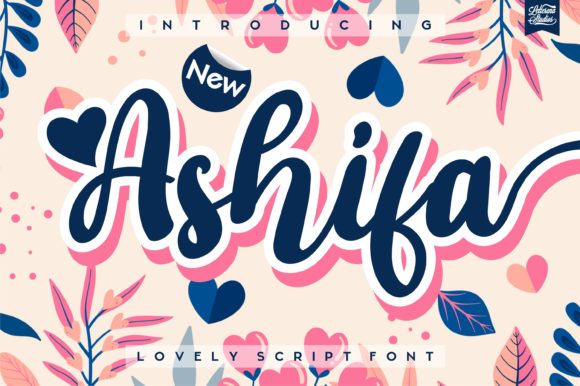
Ashifa: The Handwritten Font for Your Brand
I remember the exact moment I realized my business needed a visual upgrade. It was a rainy Tuesday, and I was sitting at my kitchen table surrounded by stacks of packaging tape, blank labels, and a half-finished batch of artisanal candles. My brand had grown from a hobby into a small online shop, but every time I printed a new label or designed an Instagram story, it felt... off. The fonts I was using looked generic, like they belonged to a template rather than a handmade product with heart and soul. I knew that typography was more than just picking letters; it was the voice of my brand without saying a word.
That afternoon, I started searching through the Fonts category on my favorite design marketplace, specifically looking within the Script Amp section for something that felt authentic. That is when I found Ashifa. At first glance, it wasn't just another decorative typeface; it was a romantic and beautiful handwritten font that seemed to capture the exact energy I wanted for my candle line. It looked like it was written by hand, yet polished enough to look professional on a shelf next to big-name brands.
Why Ashifa Changed My Brand Identity
The decision to switch to Ashifa was about more than aesthetics; it was about consistency. Before this change, my logo used one style, my social media graphics used another, and my packaging labels were a third. Customers often commented that my products looked lovely but didn't quite feel "branded." Typography plays a massive role in brand perception. When you use a cohesive handwritten font across all your touchpoints, you create a sense of trust and recognition.
Ashifa brought that missing piece together. Its flowing strokes and natural curves mimic the warmth of a personal note. For a small business owner selling handmade goods, that personal connection is everything. When a customer receives a thank-you card written in Ashifa, it feels like a genuine message from me, not a mass-produced flyer. This subtle shift in brand identity transformed how people perceived my business—from a casual seller to a thoughtful creator who cares about the details.
Where to Use Ashifa in Your Business
One of the best things about Ashifa is its versatility as a display font. While it shines in headlines and short phrases, it works beautifully across a wide range of materials. Here are the specific areas where I've seen the biggest impact:
- Logo Design: A logo is the face of your company. Using Ashifa for a boutique logo or a café sign instantly communicates elegance and approachability. It stands out against clean sans serif backgrounds.
- Packaging Design: Whether it's a sticker on a bakery box, a label on a skincare jar, or a tag on a handmade sweater, Ashifa adds a premium feel. It turns simple packaging into an unboxing experience.
- Social Media Graphics: In the crowded world of Instagram and Pinterest, your visuals need to stop the scroll. Using Ashifa for quotes, sale announcements, or product highlights makes your feed look curated and stylish.
- Wedding and Event Invitations: If you offer services for weddings or events, this font is perfect for creating romantic invitations, seating charts, and thank-you cards.
- Business Cards and Menus: Even functional items benefit from personality. A menu printed with Ashifa headings feels inviting, while a business card with this font leaves a memorable impression.
Mastering Readability and Font Pairing
While Ashifa is stunning, it is important to remember that script fonts work best for headlines, logos, and short messages. Because of its intricate loops and connections, it can become difficult to read if used for long paragraphs of body text. To maintain readability on mobile screens, small product labels, or printed flyers, I always pair Ashifa with a clean, neutral font.
A great strategy is to use Ashifa for the main title or the most important word on your design, then follow up with a simple sans serif font for descriptions and details. This combination creates a modern typography style that balances creativity with clarity. For example, on my candle labels, the scent name is in Ashifa, glowing with character, while the ingredients list and safety warnings are in a crisp sans serif. This ensures customers can enjoy the beauty of the design without struggling to read the information.
You can also experiment with pairing it with an elegant serif font for a more traditional, editorial look. The key is contrast. Let the creative font do the heavy lifting for emotion and style, and let the supporting typeface handle the communication.
Technical Details Every Entrepreneur Should Know
Before you integrate any new design assets into your workflow, there are practical considerations to keep in mind. When I downloaded Ashifa, I made sure to check the file formats to ensure compatibility with my design software. Most modern commercial font packages come in standard OTF or TTF formats, which work seamlessly in tools like Canva, Adobe Illustrator, and Photoshop.
It is also crucial to review the licensing agreement. Since I was using this for products I intended to sell—like branded packaging and merchandise—I verified that the license covered commercial use. Always double-check if the font includes alternates, ligatures, or multilingual support if your business serves a diverse audience. These features can add extra flair to your logo design or allow you to create unique variations for different campaigns.
Typography is one of the most powerful tools in a small business owner's arsenal. It shapes first impressions, builds trust, and sets the mood for your entire brand. Choosing the right typeface doesn't have to be complicated. Sometimes, all it takes is finding a font like Ashifa that speaks your language. By updating my visuals with this romantic, handwritten style, I didn't just make my business look better; I made it feel more like home. And in the end, that is what keeps customers coming back.