Honey Sheet Font: Sweetening Digital Design with Handwritten Charm
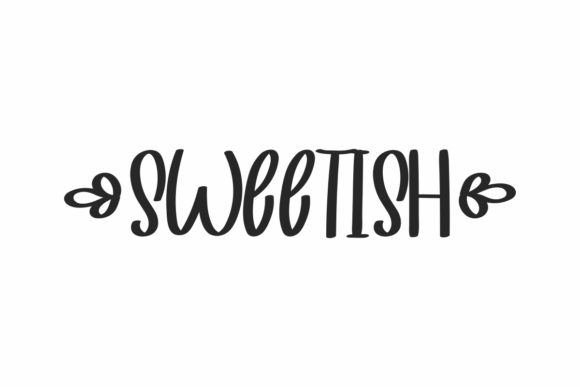
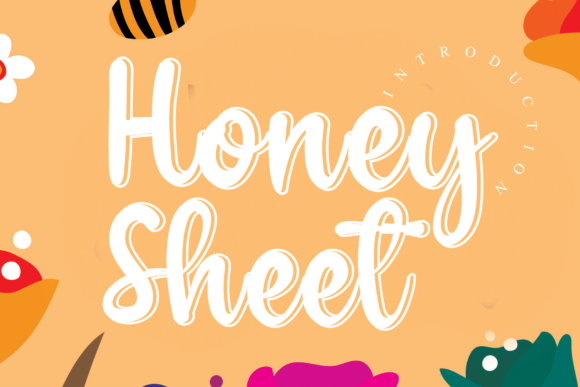
Honey Sheet is a soft, round-lettered handwritten font that brings a personal, approachable feel to digital design. As a web designer, finding a script font that balances personality with usability can be challenging, but Honey Sheet delivers a unique blend of warmth and professionalism. Whether you're crafting a landing page, branding a new product, or designing an online store, this Script Amp font adds a human touch without sacrificing clarity or digital appeal.
Visual Personality and Digital Readability
The Honey Sheet typeface features smooth curves, gentle bounce, and open spacing—qualities that make it feel both modern and nostalgic. Its handwritten appearance works well in digital environments where warmth and creativity are key. Unlike many decorative fonts that can feel overwhelming or hard to read on screen, Honey Sheet maintains a clean rhythm that supports readability, especially in short-form text like headlines, buttons, and callouts.
For web design, readability is crucial. Honey Sheet shines when used at medium to large sizes, making it ideal for hero headers, feature titles, and branded web elements. Its roundness and even stroke weight help maintain legibility across different screen sizes and resolutions, especially when used with sufficient contrast and spacing.
Enhancing Visual Hierarchy and Brand Tone
In digital product design, visual hierarchy guides users through the interface. Honey Sheet can serve as a compelling top-tier typographic accent. When used in hero sections or feature highlights, it creates a focal point that draws attention without competing with supporting content. Pairing it with a clean sans serif font like Helvetica or Open Sans ensures balance and clarity in layout design.
From a branding perspective, this font conveys sincerity, creativity, and approachability. If you're designing for a boutique brand, creative portfolio, or wellness coaching site, Honey Sheet reinforces a brand tone that's friendly and authentic. It’s especially effective when used in logo design, social media graphics, or packaging design for digital-first brands.
Practical Use Cases for Web and Digital Products
Honey Sheet performs best in design contexts where a human touch adds value. Here are a few practical applications:
- Hero Titles: Use Honey Sheet for large, attention-grabbing headlines on landing pages or product sites. Its soft curves make it ideal for brands with a warm, creative identity.
- Call-to-Action Buttons: When used sparingly, Honey Sheet adds a unique flair to buttons on course pages, portfolio sites, or online shops.
- Blog Headers and Graphics: Add a personal tone to blog headers, quote graphics, or Instagram story templates with this expressive script font.
- Brand Kits and Digital Assets: Incorporate Honey Sheet into digital brand kits for a consistent, expressive visual identity across websites, emails, and promotional materials.
Responsive Design and Readability Tips
When using Honey Sheet on mobile screens, keep text short and legible. Avoid using it for long paragraphs or small body text. Instead, reserve it for headings, accents, or decorative elements where its charm can shine without compromising readability.
For dark or light backgrounds, ensure sufficient contrast. On image overlays, use a semi-transparent background or text shadow to maintain legibility. Test the font across devices to confirm it renders clearly on both high and low-resolution displays.
Font Pairing for Balanced Web Layouts
One of the most effective ways to use Honey Sheet is in combination with a more structured typeface. For example:
- Pair it with a minimalist sans serif for body text to create contrast and maintain readability.
- Use a serif font like Georgia or Merriweather for editorial-style layouts where elegance and readability are both important.
- Combine it with a geometric sans for a modern, playful brand identity.
These pairings help establish a clear visual hierarchy while maintaining a cohesive design language. Honey Sheet works well as the top layer of typography, while more neutral fonts carry the supporting content.
Technical Considerations for Web Use
Before implementing Honey Sheet in a live website or digital product, check the available file formats and styles. Most premium fonts include multiple weights, alternates, and multilingual support, which are essential for international branding and flexible design.
Ensure that the font includes webfont versions in WOFF, WOFF2, and EOT formats for broad browser compatibility. Many modern design tools and CMS platforms support webfont integration, making it easier to maintain consistent typography across platforms.
Licensing for Commercial Web Projects
Always verify the licensing terms when using Honey Sheet for commercial websites, client projects, or digital templates. Many premium fonts offer commercial licenses that cover web use, client deliverables, and online store integration. If you're designing a Shopify store, landing page, or WordPress theme, confirm that the license permits redistribution and embedding in live sites.
Proper licensing ensures legal compliance and protects both designers and clients from potential copyright issues. When in doubt, contact the font creator or distributor for clarification on usage rights.
Final Notes on Using Honey Sheet
Honey Sheet is more than a decorative script—it’s a versatile tool for digital creators who want to inject personality into their work without sacrificing usability. Whether you're building a creative portfolio, launching a product page, or designing a branded blog, this Script Amp font helps establish a unique voice and visual rhythm.
By understanding its strengths and limitations, web designers can harness the warmth and character of Honey Sheet to enhance brand tone, guide user attention, and create memorable digital experiences. Paired thoughtfully with supporting typography and applied with care, Honey Sheet becomes a key ingredient in modern, emotionally resonant web design.