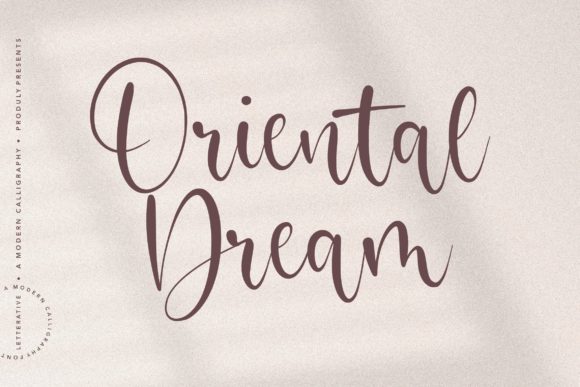
Oriental Dream: A Script Font for Elegant Editorial Design
Oriental Dream is a refined script font that brings a sense of movement and grace to editorial layouts. Its varying baseline creates a fluid, almost handwritten quality, while the smooth lines and detailed strokes give it a polished, professional edge. The font’s gorgeous glyphs and extensive set of alternates allow for customization, making each use feel unique yet cohesive. Whether you're designing a blog header, a digital magazine cover, or a printable guide, Oriental Dream adds a touch of sophistication without sacrificing clarity.
Enhancing Visual Hierarchy with Style
One of the key strengths of Oriental Dream is its ability to establish visual hierarchy in editorial design. Because of its ornate nature, it works best as a display font rather than for extended body copy. This makes it ideal for titles, subtitles, and section headings where you want to draw the reader’s eye without overwhelming the layout. Its varying baseline allows for dynamic compositions, especially when used in magazine covers or ebook title pages where a sense of motion and elegance is desired.
For example, using Oriental Dream in a lifestyle blog’s header can set a warm, inviting tone. Pairing it with a clean sans serif font for navigation and body text ensures readability while maintaining a stylish identity. In digital magazines or creator newsletters, this font can be used for pull quotes or feature headings to break up content and guide the reader through the narrative.
Supporting Brand Identity and Reader Engagement
Consistency in typography is essential for building a recognizable brand identity. Oriental Dream offers a distinct personality that can become a signature element in your publication’s design. Whether you're creating a wedding guide, a coaching workbook, or a recipe ebook, this font conveys a sense of warmth, creativity, and professionalism.
Its alternates and ligatures provide flexibility, allowing you to tailor the look to your brand’s aesthetic. For instance, a digital planner or printable worksheet might use Oriental Dream for decorative headers and accent typography, reinforcing a cohesive visual theme. When used across multiple formats—such as a blog, social media graphics, and downloadable lead magnets—the font helps maintain a unified presence that readers can easily identify.
Practical Applications Across Content Formats
Oriental Dream excels in a variety of editorial contexts. In blog design, it’s particularly effective for quote graphics and chapter openers. Its elegant curves and varying baseline make it stand out in visual-heavy layouts, especially when used sparingly to highlight key ideas. For ebook creators, this font works well in title pages and section dividers, adding a refined touch without distracting from the main content.
Newsletter writers can leverage Oriental Dream for header graphics and branded email signatures. In printables like worksheets or guides, it enhances the aesthetic appeal of titles and call-out boxes. The font’s stylistic alternates allow for subtle variations, which can be useful when designing multiple pages that need to feel connected yet visually engaging.
Readability Considerations Across Media
While Oriental Dream is not intended for long-form body text, it performs well in short bursts across different media. On screen, its smooth lines render cleanly in both web and PDF formats. For mobile layouts, it’s best used at larger sizes to ensure legibility—particularly in app-based newsletters or digital magazines where visual impact is key.
In print, the font maintains its elegance, especially in high-resolution formats like brochures, packaging design, or book covers. However, designers should be mindful of size and spacing to avoid readability issues. When exporting to PDF or preparing for print, it's recommended to embed the font or convert text to outlines to preserve the intended look across devices and platforms.
Effective Font Pairing for Editorial Use
To maximize the impact of Oriental Dream, thoughtful font pairing is essential. Since it’s a decorative script font, pairing it with a more neutral typeface ensures balance. For body text in magazines or ebooks, a classic serif font offers readability and contrast. In digital newsletters or blog headers, a modern sans serif font works well for subheadings and captions, maintaining a clean structure while letting Oriental Dream shine as the focal point.
Designers working on brand identity or packaging design can use this font combination across multiple touchpoints—from logo design to social media graphics—creating a unified visual language. When choosing a secondary font, consider the overall tone of your publication. A minimalist sans serif will give a contemporary feel, while a traditional serif adds a timeless quality.
Technical Features and Licensing
Oriental Dream is well-equipped for professional editorial use. It includes a range of stylistic alternates, ligatures, and multiple weights, giving designers flexibility in how they apply the font. Multilingual support ensures it can be used in diverse content, including international publications and global newsletters.
When using this font in commercial projects—such as templates, paid newsletters, client publications, or digital downloads—it’s important to verify the licensing terms. Most premium fonts offer commercial licenses that cover a wide range of uses, but always check for specific restrictions related to redistribution or embedding in apps. Having the right license ensures your design work remains both visually compelling and legally compliant.
Conclusion
Oriental Dream is more than just a decorative script font—it’s a versatile tool for content creators who value both aesthetics and functionality. Whether you're designing a digital magazine, crafting a newsletter header, or developing a printable planner, this font enhances the visual tone of your work while supporting a cohesive brand identity. With its elegant strokes, dynamic baseline, and thoughtful design, Oriental Dream is a valuable addition to any editorial designer’s toolkit.